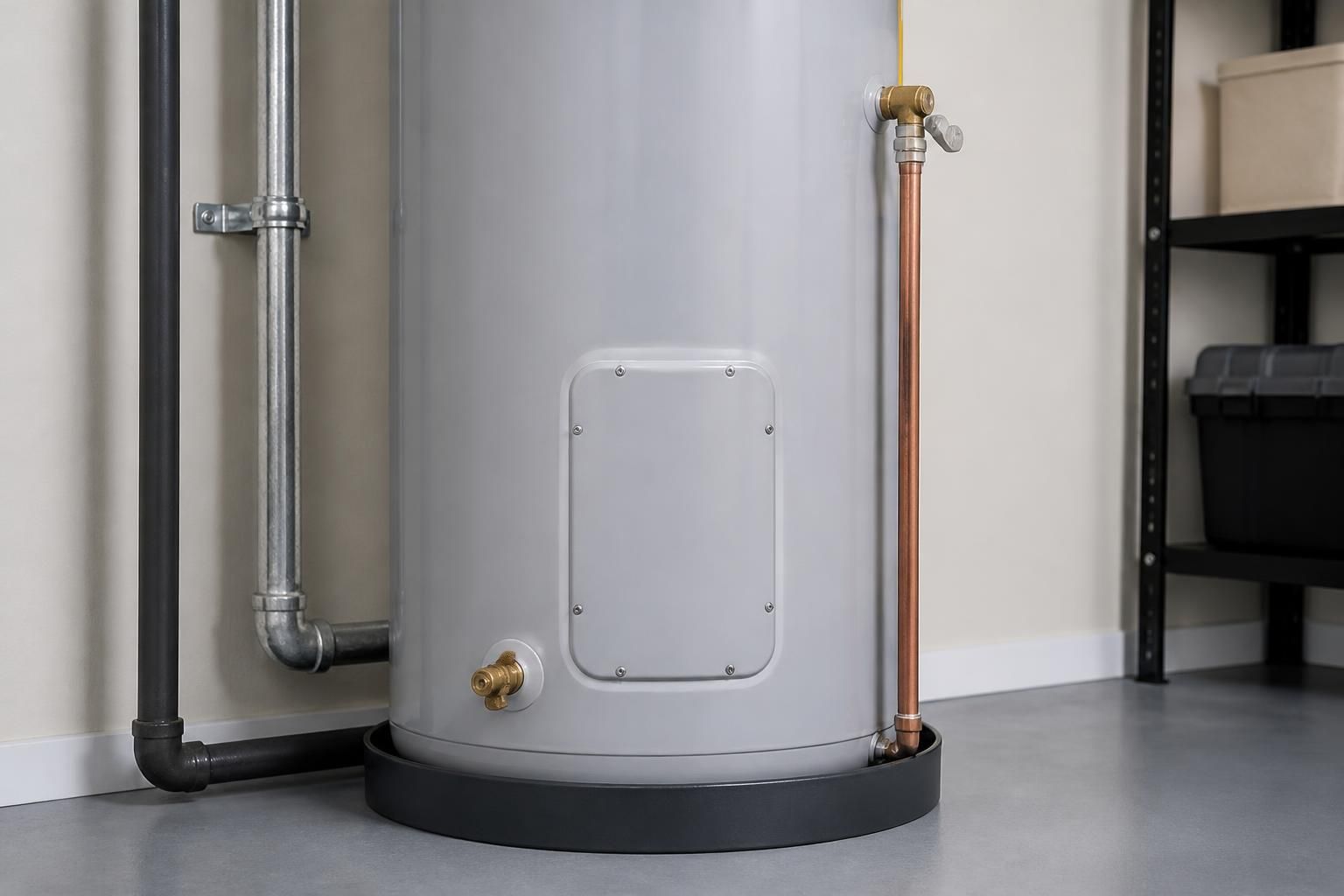
When the hot water turns lukewarm, disappears too quickly, or starts showing up with rust-colored stains, your day gets harder fast. Showers feel rushed, dishes take longer, and a small leak near the tank can turn into a mess you cannot ignore.
Bramble Plumbing helps homeowners across Columbus, OH with water heater repair that gets to the source of the problem. We look at the symptoms, explain what is happening, and give you a clear written quote before work moves forward.
A water heater usually gives some warning before it stops keeping up. Paying attention early can help you avoid bigger trouble and make the repair easier to plan.
If any of these sound familiar, a repair visit can help identify whether the issue is mechanical, electrical, or related to a leak. Bramble Plumbing handles water heater repair for homes throughout Columbus, OH and nearby service areas.
Good repair work starts with a careful look at the whole unit, not just the symptom you notice first. We inspect the heater, listen for unusual operation, and check the parts that most often affect performance.
For electric units, we look at heating elements and thermostat settings. For gas units, we check the burner area, pilot-related components where applicable, and the way heat is being transferred through the tank.
Not every leak means the tank has failed. Water can come from connections, valves, or fittings near the unit. Finding the exact source matters, since a loose connection needs a different fix than a tank issue.
When sediment settles inside the tank, it can create noise, slow recovery time, and uneven heating. That buildup also makes the heater work harder than it should.
The right repair depends on what is actually worn, damaged, or out of adjustment. We focus on practical fixes that match the condition of the system.
We keep the explanation straightforward so you know what failed, what can be repaired, and what the next step should be for your home.
Homeowners often want to know what happens when a plumber arrives. Our process is designed to be clear from the start and efficient once we begin.
Tell us what changed, when you noticed it, and whether the problem has gotten worse. Details like unusual noises, low hot water volume, or visible leaks help narrow things down.
We evaluate the unit, its connections, and the visible signs of wear. That helps us find whether the issue is isolated or part of a larger failure.
Before repairs move ahead, we share a written quote and explain the recommended work in plain language. You know what we found and what we plan to do.
Once approved, we make the repair and check the heater again before wrapping up. We also keep the work area tidy so the space is left clean.
Homes across Columbus, OH use different styles of water heaters, and the repair approach changes with the unit type. The symptoms may feel similar, but the parts behind them are not the same.
Traditional tank units often show trouble through sediment noise, temperature swings, or leaks around the base. Tankless units can present different signs, such as limited hot water output or inconsistent heating at the tap. If you are not sure which system you have, we can identify it during the visit and discuss the repair that makes sense for it.
No matter the style, the goal is the same: restore reliable hot water without replacing parts that do not need to be changed.
Some problems are small enough to correct without replacing the entire water heater. Repair is often the right next step when the tank is still structurally sound and the issue is tied to a specific component or connection.
Repair may make sense when:
If the tank itself is compromised, we will let you know what we found and explain the next reasonable step. You will not be left guessing about the cause.
After the work is complete, a few habits can help you notice changes sooner and keep the unit easier to service later.
These simple checks can help you catch a small change before it turns into a larger repair call. If something feels off after a visit, it is worth having it looked at again.
Popping usually points to sediment inside the tank. As water heats, it moves through the buildup and creates noise. That is a common sign the heater should be checked.
Short hot water supply can happen when heating parts are weak, sediment has reduced capacity, or the thermostat is not set or reading the temperature correctly.
Sometimes, yes. Leaks from valves, connections, or nearby piping can often be repaired. A leak coming from the tank itself is more serious and needs a careful evaluation.
Discoloration can mean internal parts are wearing down or sediment has built up inside the heater. It is a signal worth checking, especially if it appears suddenly.
If water is too hot, too cool, or changes temperature without warning, the thermostat may be involved. Other parts can cause similar symptoms, so inspection matters.
If water is pooling around the unit or dripping steadily, stopping use and getting the heater inspected is a smart move. That helps limit further damage while the source is found.
If your water heater is noisy, leaking, or not keeping up, Bramble Plumbing is ready to help homeowners in Columbus, OH and nearby service areas. We provide water heater repair with clear written quotes, on-time crews, and tidy job sites.
Call +16145550142 or email hello@brambleplumbing.example to schedule service. We are open Monday through Friday from 8:00 AM to 6:00 PM, and Saturday from 9:00 AM to 2:00 PM.

Get Started
Tell us what is happening at your home, and we will help you figure out the next best step. Whether you need a drain cleared, a leak tracked down, or a water heater looked at, we make the process straightforward.